In today’s competitive business environment, your ideas, brand identity, creative work, and innovations can be among your most valuable assets. Intellectual Property (IP) protection helps you secure these assets and gives you the legal foundation to control how they are used.
Whether you are building a new brand, developing an innovative product, creating original content, or designing something unique, understanding intellectual property is an important step towards protecting your work and supporting long-term business growth.
What Is Intellectual Property?
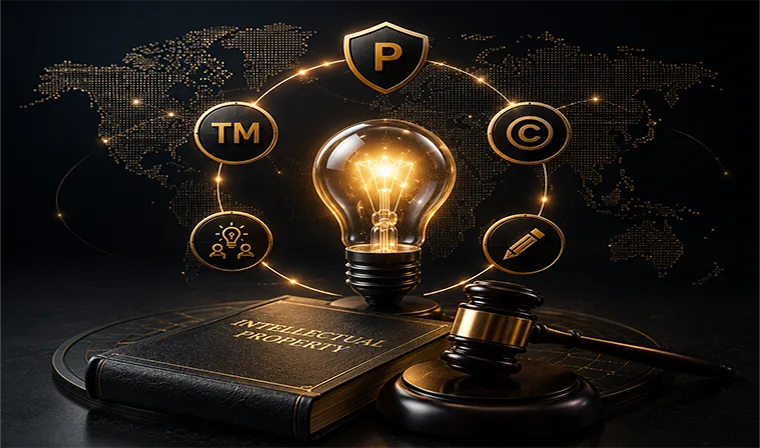
Intellectual Property refers to creations of the mind that have commercial or legal value. These can include inventions, brand names, logos, original literary and artistic works, product designs, and other innovations.
IP laws provide creators and businesses with specific rights over their creations. These rights can help prevent unauthorized use, copying, imitation, or exploitation by others.
Simply put, intellectual property protection helps ensure that the value you create remains protected.
The Main Types of Intellectual Property
1. Trademarks
A trademark protects the identity of your brand. It can include:
- Brand names
- Logos
- Taglines and slogans
- Symbols
- Distinctive marks
A strong trademark helps customers identify your business and distinguish it from competitors. Trademark registration also provides important legal rights that can help you take action against unauthorized or confusingly similar use.
For businesses, a trademark is more than a legal asset—it is an important part of brand value and reputation.
2. Copyright
Copyright protects original creative works. Depending on the nature of the work and applicable law, this may include:
- Literary works
- Website content
- Artwork and illustrations
- Photographs
- Music and audiovisual content
- Software and other original creative material
Copyright protection helps creators maintain control over how their original work is reproduced, distributed, or used.
For businesses, protecting original content can be particularly important in the digital environment, where copying and unauthorized reuse can happen quickly.
3. Patents
Patents are designed to protect eligible inventions and technological innovations. They can provide inventors with exclusive rights for a specified period, subject to applicable laws and requirements.
Patent protection may be relevant when you have developed:
- A new product
- A technical process
- A manufacturing innovation
- A technological solution
- An improvement to an existing invention
Obtaining patent protection generally involves a detailed legal and technical process. Early advice can help businesses and innovators understand whether their innovation may qualify for protection and how to approach the process strategically.
4. Industrial Designs
Industrial design protection focuses on the visual appearance of a product. This may include elements such as its shape, configuration, pattern, ornamentation, or other visual features, depending on applicable law.
For products competing in the marketplace, design can be a significant commercial advantage. Protecting a distinctive appearance can help businesses safeguard the visual identity of their products from imitation.
Why Intellectual Property Matters
Intellectual property is not only about legal protection. When managed strategically, IP can become an important business asset.
Protect Your Competitive Advantage
Your ideas and innovations can differentiate your business from competitors. IP protection helps establish rights over these valuable assets and can reduce the risk of unauthorized use.
Build Stronger Brands
Trademarks and other IP assets contribute to brand recognition and trust. Protecting them helps preserve the identity and reputation you work hard to build.
Create Commercial Value
Intellectual property can add value to a business. Depending on the asset and circumstances, IP rights may support licensing opportunities, partnerships, investments, expansion, and other commercial strategies.
Support Business Growth
As your business grows into new markets or introduces new products and services, your IP portfolio can become increasingly important. A well-planned strategy helps ensure that valuable assets are identified and considered as part of your wider business objectives.
Strengthen Your Position Against Infringement
Registration and proper IP management can provide a stronger foundation for addressing potential infringement. Where unauthorized use occurs, the available options will depend on the nature of the rights, jurisdiction, and specific circumstances.
Intellectual Property Should Be Considered Early
One common mistake is waiting until a brand, product, or creative work becomes successful before considering IP protection.
By that stage, another party may have already registered a similar mark, copied a design, or created complications that could have been addressed earlier.
Considering intellectual property at the right stage can help you:
- Identify valuable assets early
- Understand potential risks
- Plan registrations strategically
- Protect important rights before expansion
- Develop a stronger long-term IP portfolio
Intellectual Property and Business Strategy
The most effective approach to IP is often one that considers both legal protection and commercial objectives.
For example, a business launching a new product may need to consider several forms of protection at the same time:
- Trademark for the product or brand name
- Patent for eligible technical innovation
- Industrial Design for its distinctive visual appearance
- Copyright for original creative materials
Looking at these assets together can help create a more comprehensive protection strategy.
Final Thoughts
Your intellectual property represents the value created through innovation, creativity, and brand building. Protecting these assets can help you preserve what makes your business unique and create a stronger foundation for future growth.
From trademarks and copyrights to patents and industrial designs, each type of IP serves a different purpose. Understanding which protections may apply to your business is the first step towards making informed decisions about your valuable ideas and assets.
At Trumarx, we help businesses, creators, and innovators navigate intellectual property with practical strategies aligned with their objectives. From registration and portfolio management to enforcement and broader IP support, our team helps clients take a structured approach to protecting what matters most.